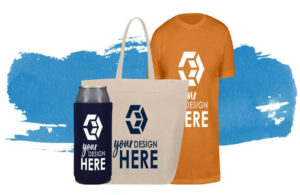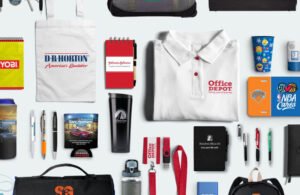



For decades, the promotional products industry has been dominated by inexpensive, single-use items designed to maximize brand exposure at minimal cost. Keychains, plastic pens, polyester lanyards, and disposable tote bags have long been staples of trade shows, corporate events, and marketing campaigns. However, a significant shift is occurring. Businesses around the world are rethinking their approach to branded merchandise, driven by consumer demand for environmental responsibility and growing regulatory pressure to reduce plastic waste. At the center of this transformation are the Promotional Products Suppliers in China, who are rapidly adapting to the new reality of sustainable manufacturing.
China has long been the world’s factory for promotional goods. Its vast network of manufacturers, raw material suppliers, and logistics providers has enabled companies everywhere to source affordable branded products at scale. Today, the most forward-thinking Promotional Products Suppliers in China are leveraging the same industrial capabilities to produce eco-friendly alternatives. From bamboo pens and recycled PET backpacks to biodegradable phone cases and organic cotton t-shirts, the sustainable promotional product market is expanding at an unprecedented rate. This article explores the factors driving this change, the materials and methods being adopted, and what businesses should look for when sourcing sustainable promotional products from China.
The Global Push for Sustainability in Marketing
The demand for sustainable promotional products is not a passing trend. It is a fundamental shift in consumer behavior and corporate governance.
Changing Consumer Expectations
Modern consumers are more informed and more discerning than ever before. Studies consistently show that a majority of buyers prefer to support brands that demonstrate genuine commitment to environmental and social responsibility. When a company distributes a cheap plastic pen with its logo, it sends an implicit message about its values. Conversely, when a company gives away a reusable stainless steel water bottle or a tote bag made from recycled ocean plastics, it communicates care, quality, and long-term thinking. Promotional Products Suppliers in China have recognized this dynamic and are retooling their production lines to meet these new expectations.
Regulatory Pressures and Bans
Governments around the world are implementing stricter regulations on single-use plastics. The European Union’s Single-Use Plastics Directive, Canada’s ban on certain plastic items, and similar measures in countries across Asia and South America have forced companies to reconsider their promotional strategies. Multinational corporations operating in multiple jurisdictions cannot afford to distribute items that may soon be illegal or socially unacceptable. As a result, they are turning to Promotional Products Suppliers in China who can provide compliant, sustainable alternatives at competitive price points.
Corporate ESG Commitments
Environmental, Social, and Governance (ESG) criteria have become central to corporate reporting and investor relations. Publicly traded companies and large private firms alike publish annual sustainability reports detailing their carbon footprint, waste reduction efforts, and supply chain ethics. Promotional products, often procured in massive quantities, fall under scrutiny in these reports. Switching to sustainable options is a relatively simple way for procurement departments to make a measurable positive impact. Promotional Products Suppliers in China that can document their sustainable practices and material sourcing are increasingly preferred over traditional suppliers.
How Chinese Suppliers Are Adapting to Sustainability
The transformation of China’s promotional products industry has been remarkable in its speed and scale. Within just a few years, thousands of factories have pivoted from conventional plastics to eco-friendly materials.
Investment in Green Materials
Leading Promotional Products Suppliers in China are investing heavily in research and development of sustainable materials. Common eco-friendly materials now available include:
-
Recycled PET (rPET): Derived from post-consumer plastic bottles, rPET is used to make bags, backpacks, lanyards, and apparel.
-
Bamboo: A fast-growing, renewable resource that requires no fertilizer or pesticides. Bamboo is used for pens, phone stands, notebooks, and cutlery sets.
-
Organic Cotton: Grown without synthetic pesticides or fertilizers, organic cotton is used for t-shirts, caps, and tote bags.
-
Bioplastics: Made from plant-based sources such as cornstarch or sugarcane, bioplastics are used for pens, mugs, and food containers. Some are compostable under industrial conditions.
-
Recycled Metals: Aluminum and stainless steel from recycled sources are used for water bottles, travel mugs, and keychains.
-
Wheat Straw and Rice Husk: Agricultural byproducts that would otherwise be burned or discarded are now being molded into drinking cups, lunch boxes, and phone cases.
Certifications and Standards
To prove their sustainability claims, reputable Promotional Products Suppliers in China are obtaining internationally recognized certifications. These include:
-
FSC (Forest Stewardship Council): For paper, wood, and bamboo products.
-
GRS (Global Recycled Standard): For products containing recycled materials.
-
GOTS (Global Organic Textile Standard): For organic cotton apparel and textiles.
-
BSCI (Business Social Compliance Initiative): For ethical manufacturing practices.
-
ISO 14001: For environmental management systems.
Savvy buyers now require these certifications as a condition of purchase, and Chinese suppliers have responded by investing in the necessary audits and compliance processes.
Improved Production Efficiency
Sustainability is not only about materials; it also involves reducing energy consumption, water usage, and waste during manufacturing. Many Promotional Products Suppliers in China have installed solar panels, wastewater treatment systems, and energy-efficient machinery. Some have achieved zero-waste-to-landfill status, meaning that all production waste is recycled, composted, or converted to energy. These operational improvements reduce the carbon footprint of each promotional product and often lower production costs over time.
Types of Sustainable Promotional Products Available from China
The range of sustainable promotional products now available from Chinese suppliers is vast and continues to grow. Below are some of the most popular categories.
Eco-Friendly Writing Instruments
Pens are among the most commonly ordered promotional items, and they have undergone a green revolution. Promotional Products Suppliers in China now offer pens made from bamboo, recycled cardboard, wheat straw, and biodegradable bioplastics. Many of these pens use refillable ink cartridges, extending their useful life and reducing waste. Some models are even plantable, containing seeds in the barrel so that when the pen is discarded, it can grow into flowers or herbs.
Sustainable Bags and Backpacks
Tote bags, backpacks, and drawstring bags are essential promotional items for conferences, retail events, and corporate giveaways. Chinese suppliers produce these items from rPET (recycled plastic bottles), organic cotton, jute, hemp, and even recycled fishing nets recovered from the ocean. These bags are durable, washable, and carry a powerful environmental message. Some suppliers offer fully customizable options, including printed logos, internal pockets, and water-resistant coatings made from non-toxic materials.
Reusable Drinkware
Stainless steel water bottles, travel mugs, and glass cups have become extremely popular as sustainable alternatives to single-use plastic bottles. Promotional Products Suppliers in China offer these items with custom laser engraving or screen printing. Many models feature vacuum insulation to keep beverages hot or cold for hours. For budget-conscious buyers, bamboo fiber cups and wheat straw mugs provide a lower-cost but still eco-friendly option.
Eco-Apparel
T-shirts, polo shirts, caps, and hoodies made from organic cotton, recycled polyester, or a blend of both are widely available. Chinese garment factories have achieved high standards of quality and consistency in sustainable apparel. Buyers can choose from a range of colors, sizes, and styles, with logos applied through screen printing, embroidery, or heat transfer using water-based, non-toxic inks.
Sustainable Office Supplies
Notebooks made from recycled paper or stone paper (a calcium carbonate-based material that requires no water or trees) are popular promotional items for B2B companies. Other sustainable office supplies include bamboo desk organizers, recycled plastic pen holders, and biodegradable sticky notes. Promotional Products Suppliers in China often bundle these items into eco-friendly welcome kits for corporate events or new employee orientations.
The Role of Technology and Traceability
One of the challenges in sustainable sourcing is verifying claims. Greenwashing—making false or exaggerated environmental claims—remains a concern. However, Chinese suppliers are adopting technology to provide transparency.
QR Codes and Blockchain
Some forward-thinking Promotional Products Suppliers in China now attach QR codes to their products. When scanned, the code reveals the product’s supply chain journey, including where the raw materials were sourced, where and when the product was manufactured, and its carbon footprint. Blockchain technology is being piloted to create tamper-proof records of sustainability claims. This level of traceability builds trust with buyers and end consumers.
Digital Sampling and 3D Printing
Traditional product sampling involves creating physical prototypes, which generates waste and consumes resources. Chinese suppliers are increasingly using 3D printing and digital rendering software to provide virtual samples. Buyers can view realistic 3D models of their custom products from any angle, approve designs, and make changes without a single physical sample being produced. This reduces material waste and speeds up the development process.
Challenges and Considerations When Sourcing Sustainable Promotional Products from China
While the rise of sustainable Promotional Products Suppliers in China is encouraging, buyers must navigate certain challenges.
Higher Upfront Costs
Sustainable materials and certified manufacturing processes often cost more than conventional alternatives. A bamboo pen may cost two or three times as much as a standard plastic pen. However, many companies find that the brand value and positive customer reception justify the premium. Additionally, as demand increases and production scales up, prices are gradually decreasing.
Minimum Order Quantities (MOQs)
Many sustainable products, especially those requiring specialized materials or certifications, have higher MOQs than conventional items. Smaller businesses may struggle to meet these thresholds. However, a growing number of Promotional Products Suppliers in China are offering lower MOQs for sustainable products as the market matures. Working with a sourcing agent or consolidating orders with other companies can also help.
Verifying Authentic Sustainability
Not every supplier that claims to be sustainable is telling the truth. Buyers must conduct due diligence. Requesting certificates (FSC, GRS, GOTS, etc.), asking for documentation of material sourcing, and ordering samples for testing are essential steps. Some buyers hire third-party inspection companies to audit factories before placing large orders. Reputable Promotional Products Suppliers in China will welcome this scrutiny.
Shipping and Carbon Footprint
Even the most sustainably produced promotional product has a carbon footprint associated with international shipping. Air freight is fast but carbon-intensive; sea freight is slower but far more efficient. Buyers should consider consolidating orders to reduce the number of shipments, choosing sea freight whenever timelines permit, and working with logistics providers that offer carbon offset programs. Some Chinese suppliers are now using biodegradable or recycled packaging materials for export shipments, further reducing environmental impact.
The Future of Sustainable Promotional Products in China
The trajectory is clear. The market for sustainable promotional products will continue to grow, and China’s suppliers will remain at the forefront of this transformation.
Circular Economy Models
The next frontier is the circular economy, where products are designed to be reused, repaired, or recycled indefinitely. Some innovative Promotional Products Suppliers in China are experimenting with take-back programs, where they accept used promotional items from customers and recycle them into new products. Others are designing products with modular components that can be easily replaced, extending the product’s lifespan. These models reduce waste and create long-term relationships between buyers and suppliers.
Biodegradable and Compostable Innovations
Research into new bioplastics and natural fibers continues apace. Materials that can biodegrade in home compost bins, marine environments, or landfill conditions are in development. While many current bioplastics require industrial composting facilities, the next generation will be more versatile. Chinese suppliers are closely monitoring these developments and are likely to be early adopters of breakthrough materials.
Increased Collaboration and Standards
Industry associations, NGOs, and government bodies are working to establish clearer standards for sustainable promotional products. The China National Textile and Apparel Council (CNTAC) and similar organizations are promoting green manufacturing practices. As standards become more uniform, buyers will find it easier to compare suppliers and verify claims. This transparency will accelerate the shift away from conventional promotional products.
Conclusion: A Responsible Choice for Modern Marketing
The rise of sustainable Promotional Products Suppliers in China represents a fundamental improvement in the promotional products industry. No longer must businesses choose between affordability and environmental responsibility. Chinese suppliers have demonstrated that it is possible to produce high-quality, customizable, eco-friendly promotional items at scale and at competitive prices.
For marketing managers, procurement professionals, and business owners, the decision to switch to sustainable promotional products is a strategic one. It aligns with consumer values, meets regulatory requirements, supports corporate ESG goals, and reduces environmental harm. The range of available products—from bamboo pens and rPET backpacks to organic cotton t-shirts and biodegradable phone cases—ensures that there is a sustainable option for virtually any promotional need.
As the world continues to grapple with the challenges of plastic pollution and climate change, the role of promotional products in shaping brand perception will only grow more important. Companies that embrace sustainable sourcing today will be seen as leaders and innovators. Those that cling to conventional, single-use plastics will increasingly appear outdated and out of touch.
The Promotional Products Suppliers in China who have invested in sustainable manufacturing are not just responding to a trend; they are building the future of the industry. For any organization that distributes branded merchandise, now is the time to evaluate its supply chain, partner with responsible suppliers, and make the transition to sustainable promotional products. The benefits to the planet, the brand, and the bottom line are undeniable.